 Cocktail Art
Negroni
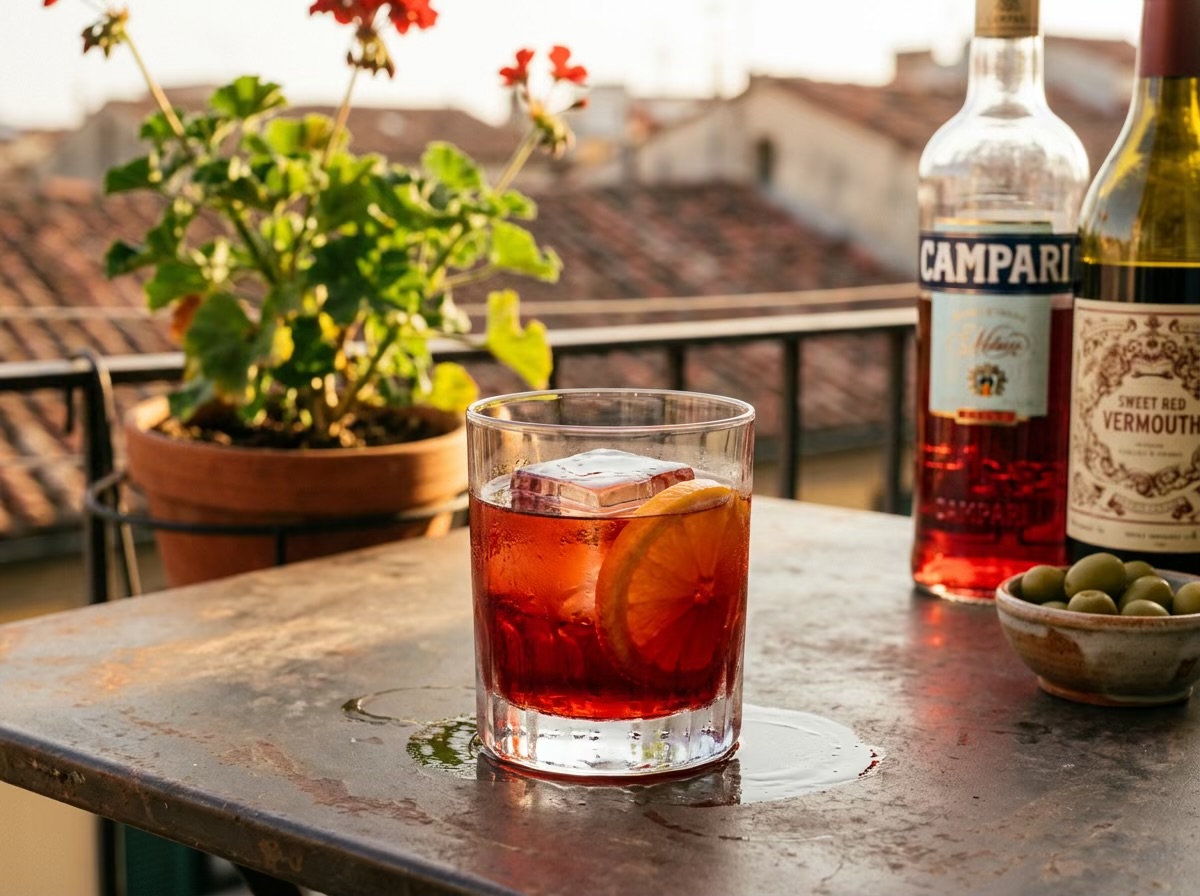
The Negroni is a classic Italian cocktail known for its vibrant red color and complex, bitter taste. It balances herbaceous gin, sweet red vermouth, and bitter Campari in equal parts. Traditionally served as an aperitif before dinner, this drink dates back to Florence in 1919, when Count Camillo Negroni asked to strengthen his Americano.
- GlassRocks glass
- MethodBuild
- Time2 min
- Strength≈ 24% ABV
How to make a Negroni
Build it in a rocks glass with ice cubes. About 2 minutes.
- Fill a rocks glass with ice cubes.
- Pour 30 ml of gin, 30 ml of sweet red vermouth, and 30 ml of Campari directly into the glass.
- Stir gently to combine and chill the ingredients.
- Garnish with a half orange slice.
Bartender’s tips
- For a slightly softer profile, you can substitute gin with Genever or replace Campari with Aperol.
- Since this drink is built directly in the glass, use large, slow-melting ice cubes to prevent the cocktail from diluting too quickly.
- Express the oils of the orange garnish over the glass before serving to enhance the bright citrus aroma.
You may also like
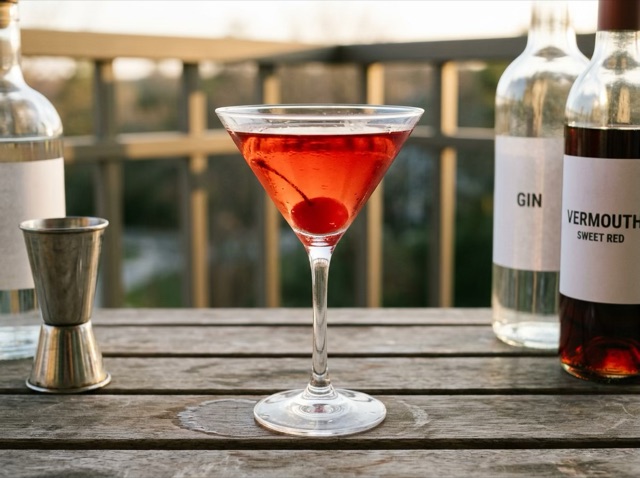
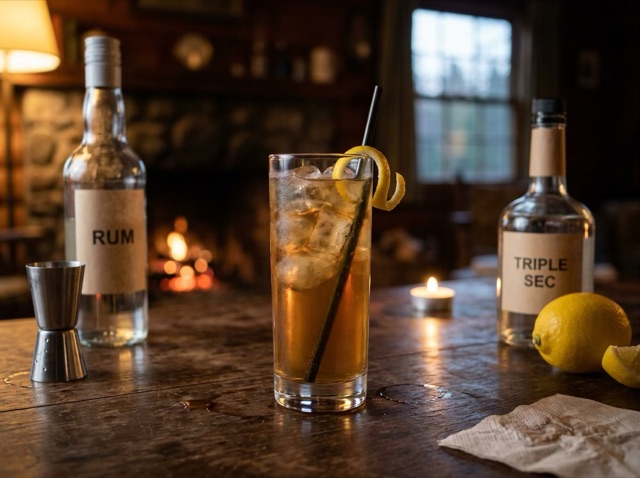
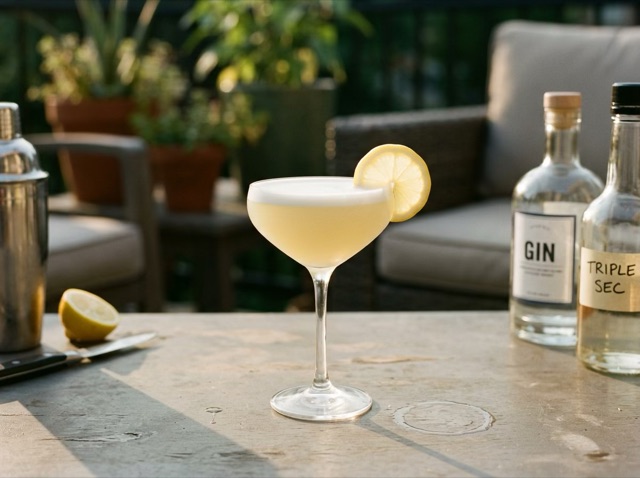
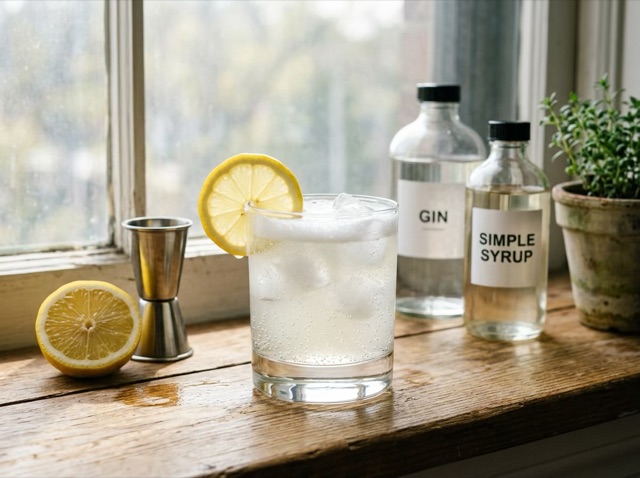
If you enjoy the botanical notes of a classic Negroni, you might also want to try the Sweet Martini, Long Island Ice Tea, White Lady, or Gin Fizz.
1 100+ more recipes in your pocket
Core recipes and your bar are free. Premium unlocks all collections, substitutes and AI photos for your own cocktails.
 ★ 4.6 · 584 ratings
Negroni questions
What is the alcohol content of a Negroni?
A standard Negroni has an alcohol by volume (ABV) of about 24 percent, making it a relatively strong, spirit-forward cocktail.
Can I substitute Campari in a Negroni?
Yes, you can use Aperol for a lighter and sweeter version, though it will alter the traditional bitter profile of the drink.
What type of gin works best in this recipe?
A classic London Dry gin is preferred because its strong juniper notes stand up well against the bold flavors of Campari and sweet vermouth.